FREE DELIVERY TO MAINLAND UK
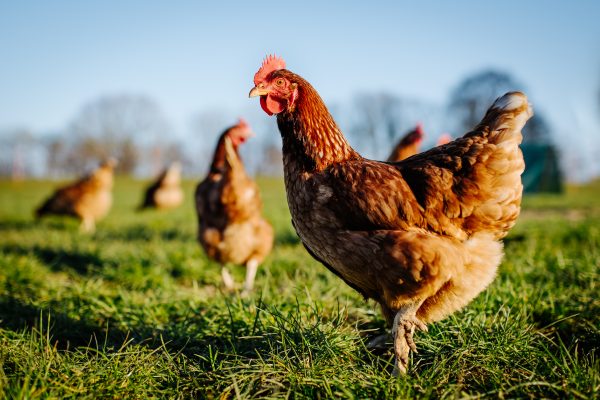
Longer and warmer days of summer are finally upon us. While we may welcome the good weather some of our backyard friends soon become less comfortable.
Chickens are unable to regulate their body temperature in hot conditions and soon become heat stressed. This leads to reduced feed intake, slower growth, lower egg production, poor egg quality, and in severe cases, even death.
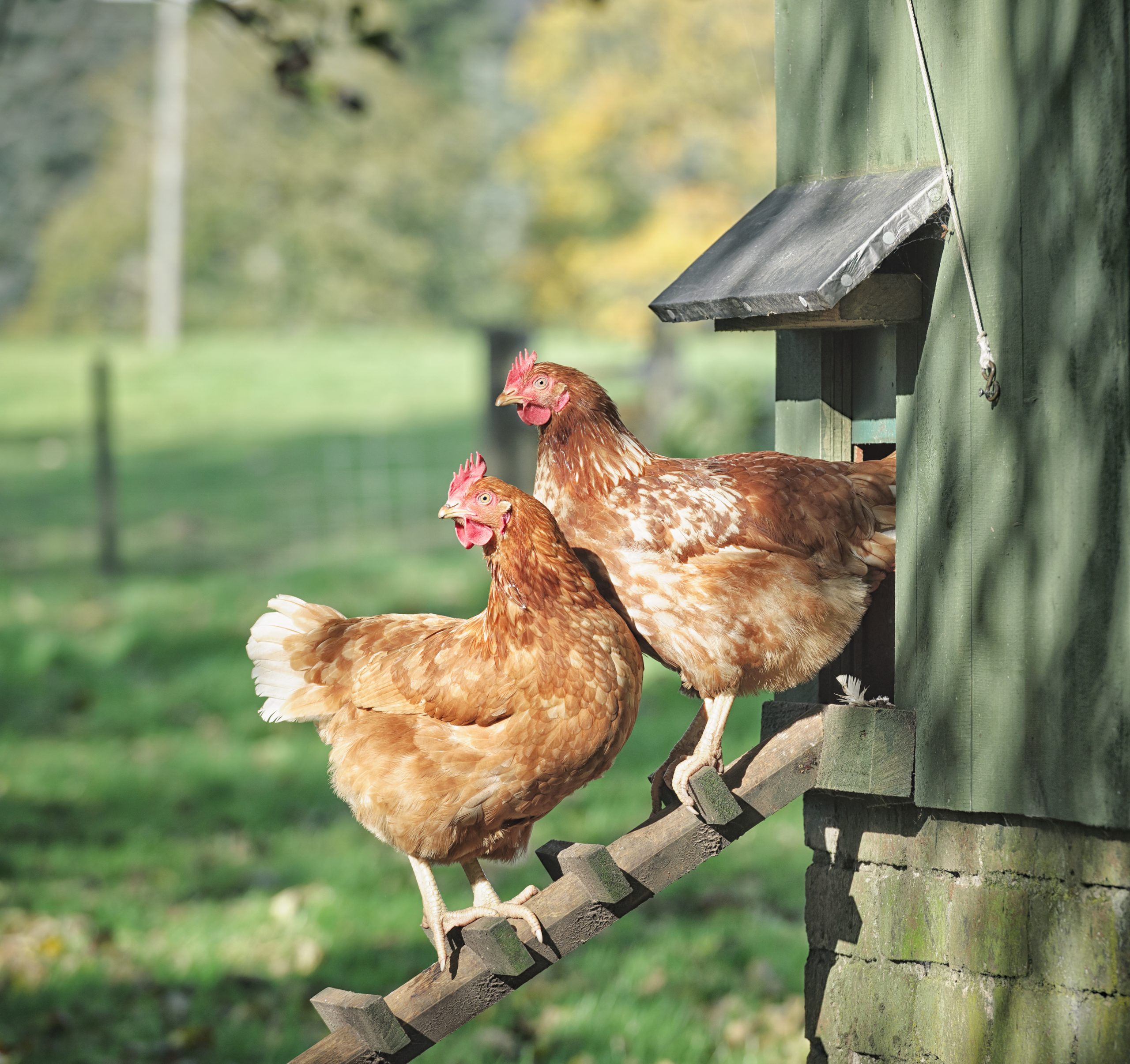
Common signs and causes of heat stress
Causes of heat stress
- High humidity (reduces ability to cool through panting)
- Poor ventilation
- Overcrowding
- Limited access to cool water
Common signs of heat stress
- Panting and open-mouth breathing
- Wings held away from the body
- Reduced activity and appetite
- Increased water consumption
- Pale combs or lethargy
Management strategies
Effective management of heat stress relies on maintaining a cooler environment, ensuring hydration, adjusting nutrition, and reducing strain on birds. Proactive measures significantly improve chicken welfare, productivity, and survival during hot weather.
Housing and Ventilation
- Ensure good airflow using fans or natural ventilation
- Reduce stocking density to prevent overcrowding
- Provide shade for outdoor birds
Feeding and water supply
- Keeping water fresh and in shaded areas
- Increase the number of drinkers available.
- Check drinkers regularly to prevent shortages
- Add electrolytes to drinking water to prevent dehydration
- Feed during cooler parts of the day (early morning or evening)
- Use easily digestible, balanced feed such as Heritage Layers Pellets, Heritage Layers Meal or Organic Layers Pellets
Cooling and stress reducing techniques
- Use misting or sprinklers (with proper ventilation to avoid humidity buildup)
- Install cooling pads in intensive systems
- Wet roofs or surroundings to lower ambient temperature
- Minimize handling during hot periods
- Avoid sudden changes in routine