FREE DELIVERY TO MAINLAND UK
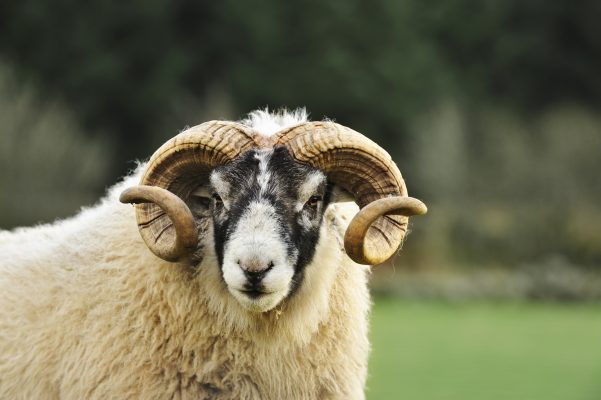
Whilst it probably feels like lambing has only just finished, it’s important not to overlook the tup ahead of the next breeding season. After all, the ram contributes 50% of next year’s lambs, so preparation now can have a major impact on flock performance and profitability.
For those synchronising ewes for earlier lambing systems, particularly flocks aiming to start lambing in late December or January, tup preparation really needs to begin now. Rams used for synchronised groups are often expected to work harder over a shorter period, making fertility, fitness and overall condition even more important.
Tupping is one of the most important periods in the sheep calendar, setting the foundation for scanning results, lamb numbers and overall flock efficiency. Taking the time to assess both rams and ewes in advance of mating can help identify any issues early and ensure stock are in the best possible condition for the season ahead.
Rams
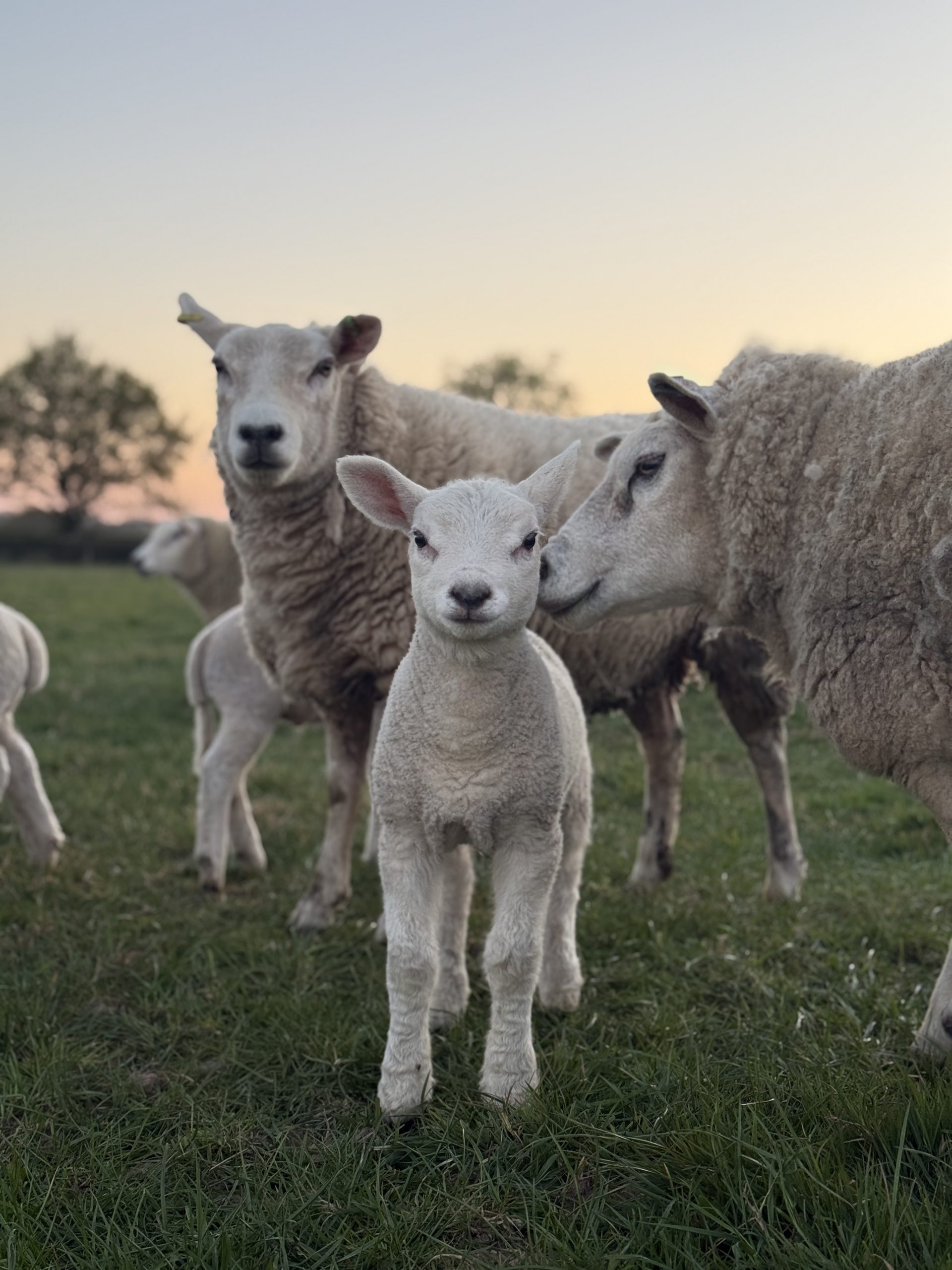
Rams are often forgotten about for much of the year, but when tupping time arrives, their role becomes critical. Research suggests up to 30% of rams may be subfertile, highlighting just how important pre-tupping checks really are.
Ideally, rams should be assessed 10–12 weeks before going in with the ewes. This gives enough time to identify and correct any issues before breeding begins. Leaving problems unnoticed until scanning can prove costly, with poor conception rates or empty ewes across the flock.
The Ram MOT – The 4 T’s
A ram MOT should form part of every flock’s preparation plan. Using the 4 T’s is a simple way to assess whether rams are fit for purpose:
- Toes
- Teeth
- Testicles
- Tone
Check mobility, body condition and overall health carefully, and involve your vet if there are any concerns. Any purchased rams should also arrive ahead of tupping to allow time to settle onto the farm and adapt to feeding and management systems.
Feeding Rams for Fertility
The 10 weeks leading up to tupping are an ideal opportunity to improve ram condition and support sperm quality through nutrition.
Aim for:
- Body condition score of 3.5 – 4.0
- A high-quality, palatable ration
- Feed a complementary feed of around 18% crude protein
- Correct magnesium and calcium balance to help reduce the risk of urinary calculi
Good management is equally important. Stress can negatively affect fertility, so minimise unnecessary handling or disruptions where possible.
It’s also worth remembering that nutrition takes time to influence sperm quality, often 30 to 40 days before improvements are seen.
Heritage Feed Range for Tups
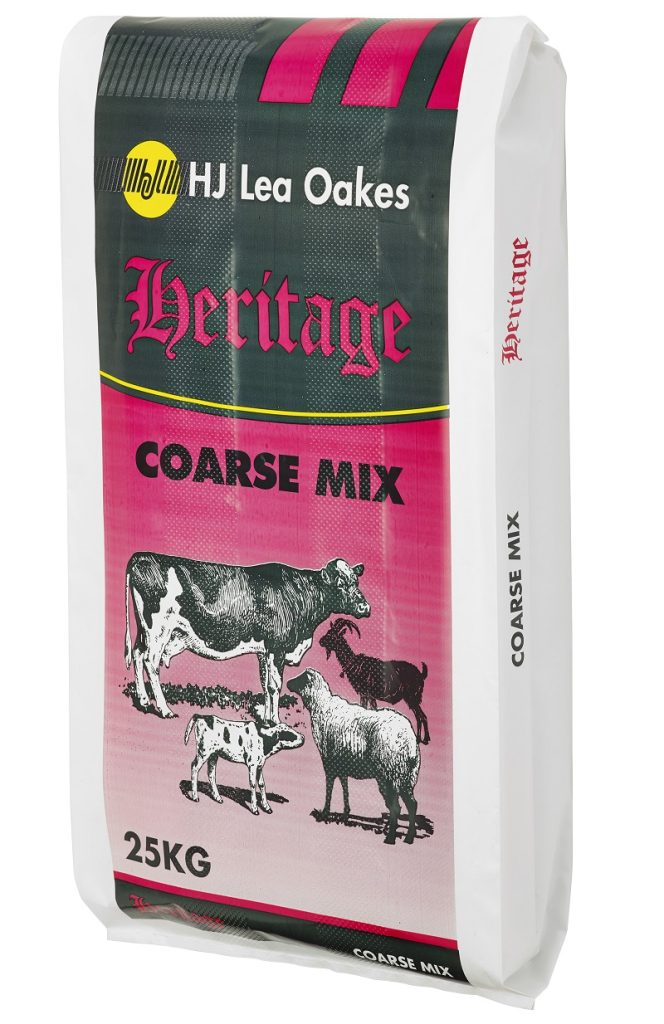
Our Heritage Ram & Lamb Mix is specifically formulated to help prepare tups ahead of the breeding season, supporting both condition and fertility during this critical period. The palatable 18% protein coarse mix has been formulated to encourage consistent intake while helping rams achieve and maintain the correct body condition score prior to tupping.
It is fully mineralised to support overall health and performance, also containing ammonium chloride to help reduce the risk of urinary calculi.
Good preparation ahead of tupping can make a significant difference to scanning percentages, lamb survival and overall flock profitability. Investing time in both ram and ewe management now can help set the flock up for a more productive and successful lambing season next year.
Heritage Sheep Feeds
For the rest of the flock, take a look at our other sheep feeds available
- Super Ewe Extra Nuts (or Rolls) 25kg
- Allrounder Nuts 25kg
- Aston Weaner Pellets+ Orego Stim 25kg
- Heritage Allstock Coarse Mix
- Heritage Ewe, Lamb & Goat Mix 25kg
- Heritage Pedigree Sheep Mix 20kg
- Supreme Starter Niblets 25kg
- Lamb Starter/Finisher Pellets 25kg
- Organic Allrounder 18 Nuts 25kg
- Organic Beef, Lamb & Rearer Nuts 25kg
- Organic Calf, Lamb & Rearer Pellets 25kg