FREE DELIVERY TO MAINLAND UK
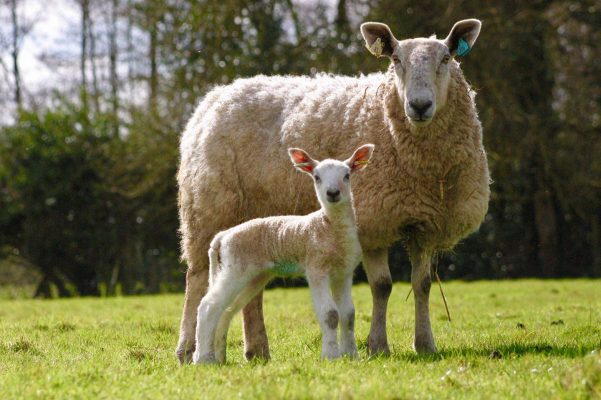
As lambing approaches, the nutritional needs of ewes rise sharply, making the final six weeks before lambing one of the most critical periods of the production cycle. Good feeding during this time supports good lamb growth, reduces metabolic disorders, and helps ensure good milk supply and a smooth start to lactation.
Rising Nutrient Demands
During the last six weeks of pregnancy, around two-thirds of foetal growth occurs. This rapid development greatly increases the ewe’s demand for energy and protein. As the lambs grow this reduces the available capacity in the rumen, which means there is the double impact of more energy needed and less space to fit it in. Therefore, energy density must increase to supply sufficient nutrients. Concentrates have a higher energy density than forages and take up less space.

Forage and Supplement.
A good quality forage should form the foundation of pre-lambing diets. This should be analysed to determine its energy (ME), protein and fibre levels, this will help calculate appropriate supplementation. Typically, ewes carrying single lambs will require minimal additional supplementation, where twin and triplet bearing ewes will require an increased level of supplementation. Increase gradually over 10-14 days is the best way to insure against twin lamb disease. Feeding little and often helps reduce the risk of acidiosis.
Inadequate supply can lead to poor body condition and small weak lambs at birth. A ewe in poor condition means their colostrum quality and milk yield is also compromised. Leading to poorer growth rates and incidence of disease in lambs. Thus leading to increased work load on farm, including the need for supplementary milk feeding and the higher use of antibiotics.
Choosing the right feed.
Super Ewe Extra Nuts are specifically formulated to meet the increased nutritional demand. Selenium and Zinc are added to help ensure healthy ewes all year round. Selenium is an essential part of the body’s antioxidant defence system and is needed for normal growth and reproduction. Zinc increases colostrum quality and milk production, also allowing for increased body weight gain in lambs, with a greater immune response.
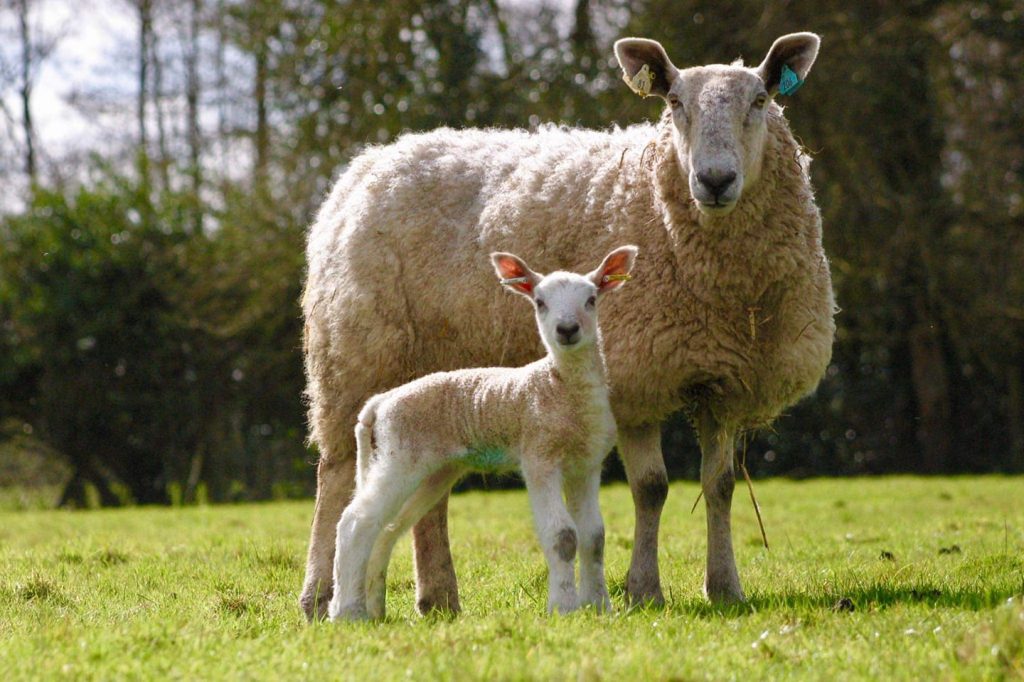
When it comes to feeding lambs, ensure good quality grass is available to help with continued milk production and worm burden is monitored. Young lambs achieve a greater feed conversion rate than older lambs. Ideally a lamb starter pellets such as HJ Lea Oakes’ Supreme Starter Niblets (18% crude protein) should be offered and aiming for 150-250g growth rate per day. Concentrate intakes of 100g/head at 2-3 weeks of age and increasing up to 300-400g/head by 8 weeks old.
Conclusion.
A well-planned feeding programme in the lead up to lambing sets the foundation for a successful season. By combing forage quality, targeted supplementation and good mineral support, farmers can achieve healthier ewes, strong lambs and help minimise additional costs post lambing.