FREE DELIVERY TO MAINLAND UK
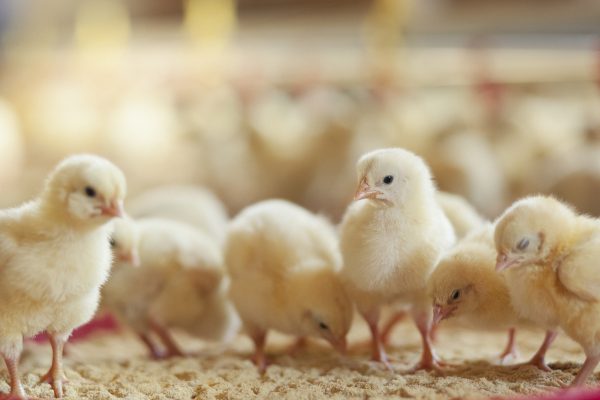
Hatching and rearing chicks can be an incredibly rewarding experience, whether you are expanding a backyard flock or starting a small poultry venture. With the right preparation and attention to detail, you can give your chicks the best possible start. This guide walks you through each essential step, to choosing eggs to caring for growing chicks.
Choosing and Setting Fertile Eggs
Successful hatching begins with selecting the right eggs. Choose clean, well shaped eggs from healthy hens and an active cockerel, Avoid unusual small, large or misshapen eggs, as these rarely hatch well. If you’re storing eggs before setting them, keep them pointed end down at about 12-15’C, and turn them twice a day to keep the yolk centred.
Before placing them in the incubator, allow them to reach room temperature. Preheat the incubator for several hours so conditions are stable, with a temperature of 37.5’C and humidity of 45-50% for the first 18 days.
Incubation Essentials
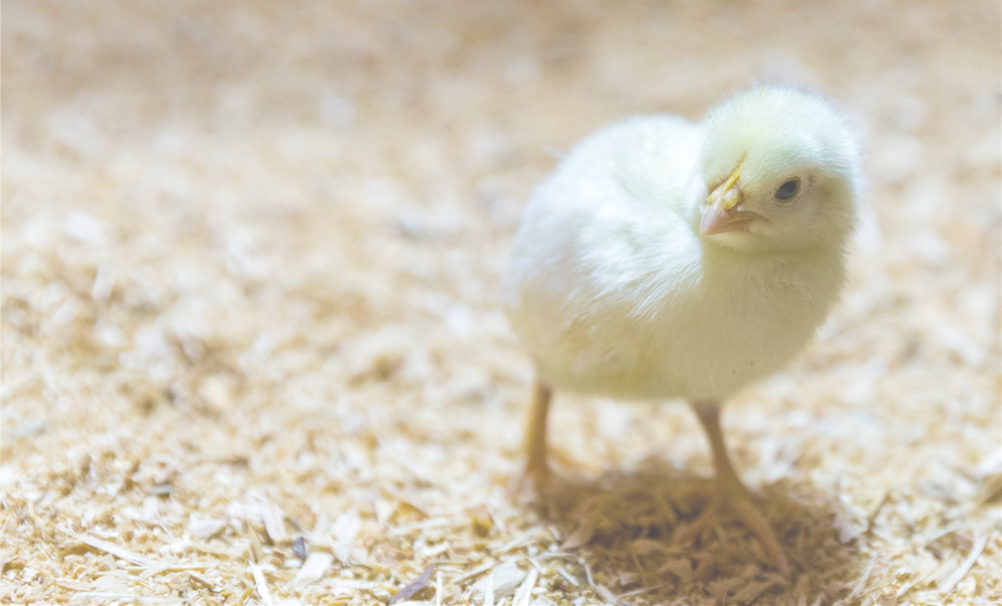
Throughout incubation, eggs must be turned regularly, ideally at least 3 times a day to prevent the developing chick from sticking to the shell membrane. Many modern incubators do this automatically, but turning can be done with clean hands.
At day 7 and again at day 14, candle the eggs using a bright light in a dark room. This helps you check embryo development and remove any infertile or non-developing eggs, which could otherwise spoil and contaminate the incubator.
Hatching
On day 18, stop the eggs turning and increase the humidity to 60-65%. Higher humidity helps soften the shell and membranes, making it easier for chicks to hatch. Avoid opening the incubator at this time, as heat and humidity can drop quickly.
Hatching usually occurs around day 21, it is normal for chicks to emerge at slightly different times. Once hatched leave them in the incubator until they are fully dry and fluffy.
Looking after your new Chicks
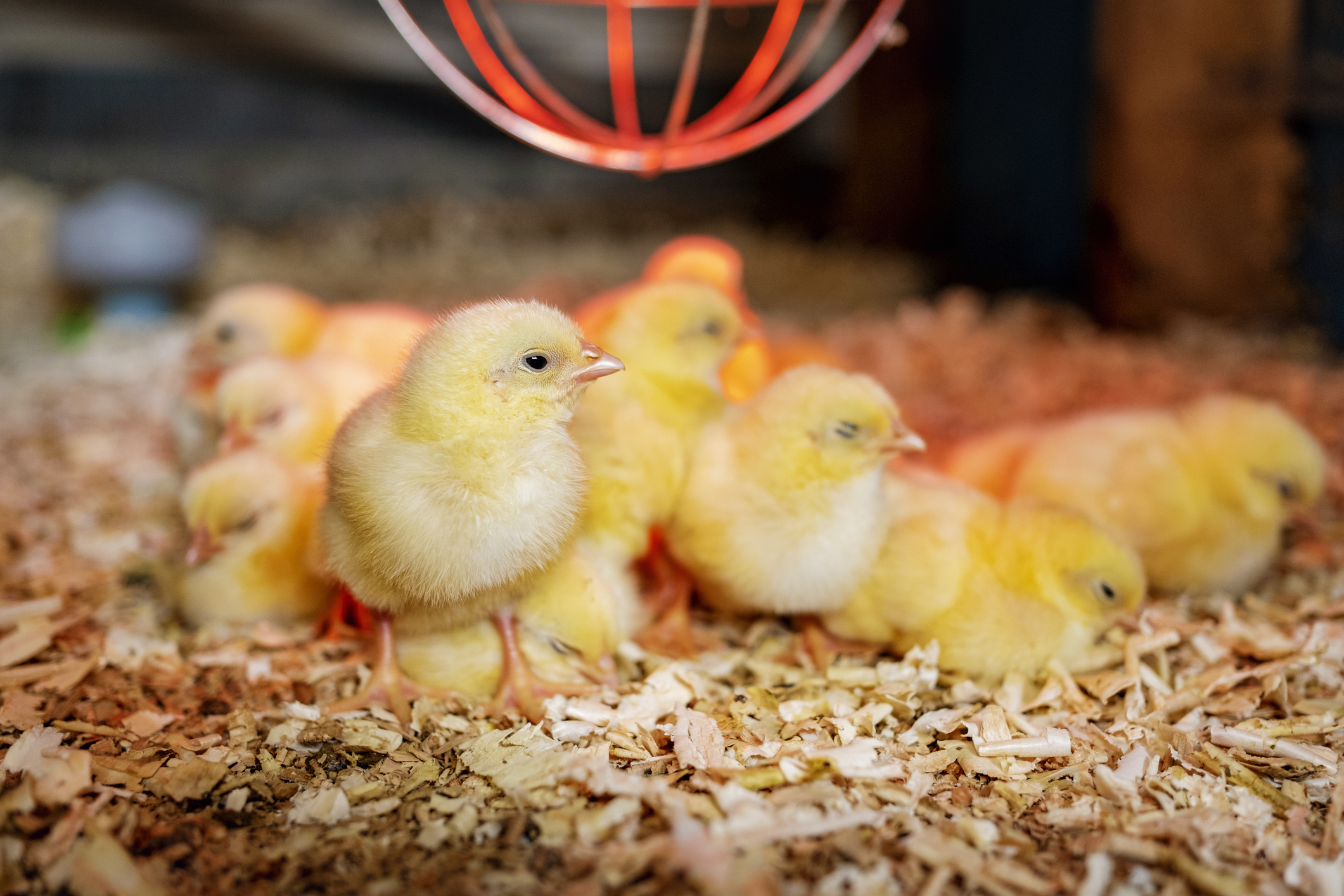
Keep your newly hatched chicks warm using a heat lamp, if the chicks are huddled closely, raise the lamp slightly to reduce the intensity, equally if they are spread round the edges of the brooder away from the heat, lower it to achieve the desired temperature.
Ensure there is fresh water available in a shallow dish or suitable drinker to prevent drowning. Offer a Poultry Starter Crumb adlib with a protein level of about 18% to be fed to 6-8 weeks of age, following on with a Poultry Grower Pellet until 2 weeks before point of lay.
Keep the brooder clean by refreshing bedding regularly and washing feeders and drinkers daily. As chicks feather up at around 5-6 weeks, they can gradually transition to outdoors, starting in mild weather. You should be well on your way to healthy young birds.